Test centre for HMI: European scale, production-grade results
Test your HMIs in our facilities operated by experienced specialists who carry out real-world testing in controlled environments. Gain European-grade engineering at globally competitive rates with zero hidden overhead.
arrow_circle_right WHY US
Rapid deployment, European standards and cost-effective operations
15 test centres
We operate 15 Test Centers across strategic locations, serving clients who need reliable, scalable testing support.
400+ QA engineers
Access a pool of more than 400 QA engineers with experience across automotive, medical devices, smart appliances and industrial automation.
20–30% faster test cycles
AI-orchestrated automation shortens test cycles by 20–30%.
20%-30% lower costs
Streamlined, validated processes reduce operational costs by 20–30%.
Near-zero downtime operation
On-site diagnostics, customisation and in-house hardware support help reduce downtime to nearly zero.
Up to 30% lower QA operating overhead
Standardised infrastructure reduces QA overhead by up to 30%.
Automotive
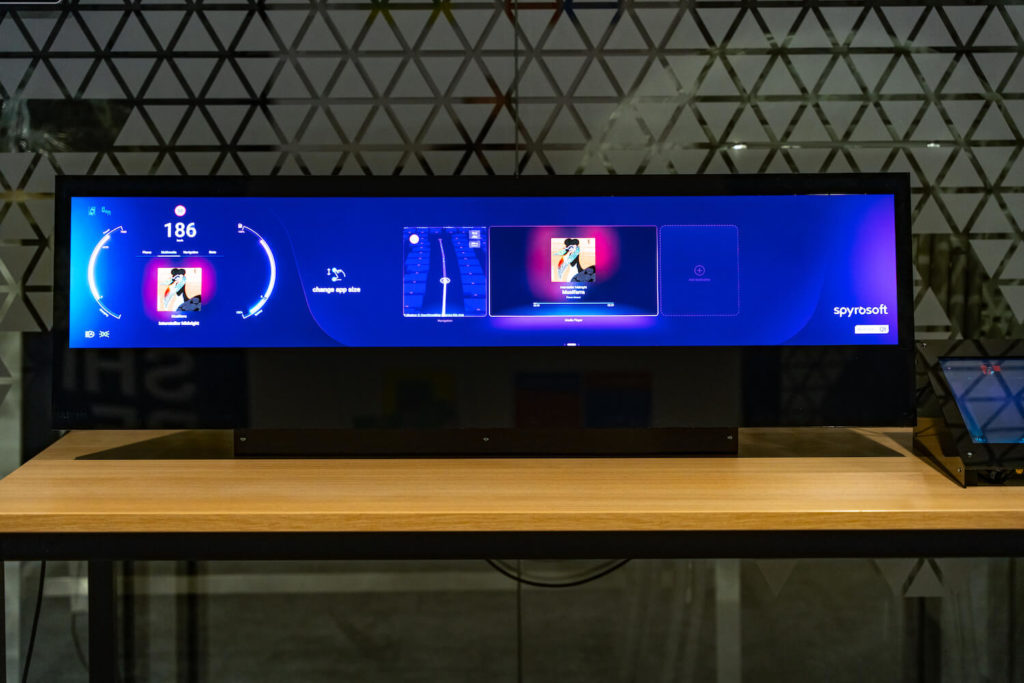
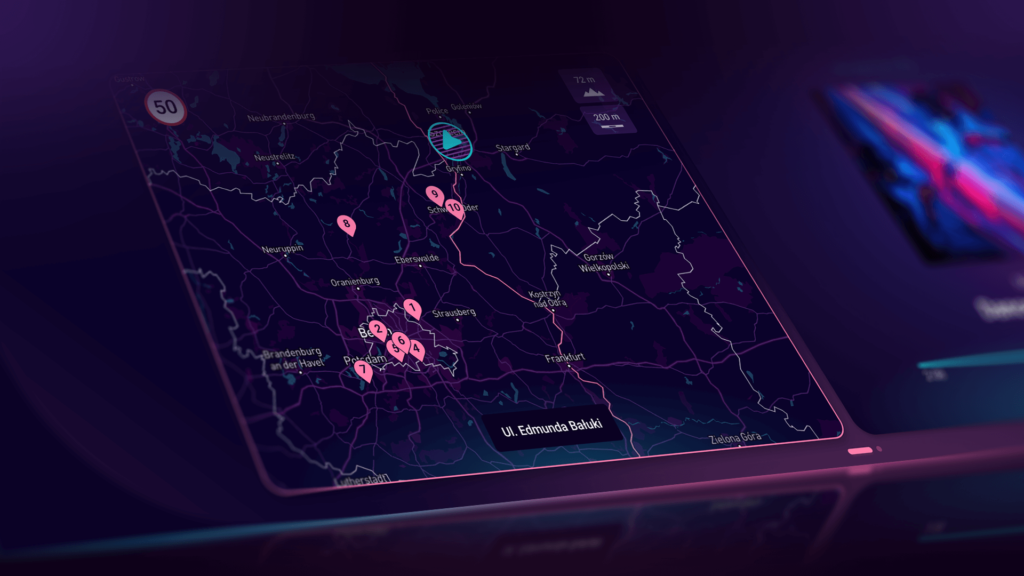
We support end-to-end development across infotainment and cluster systems, ADAS and sensor fusion, V2X connectivity, OTA update ecosystems, and the full scope of functional safety and cybersecurity requirements.
Consumer electronics and home appliances
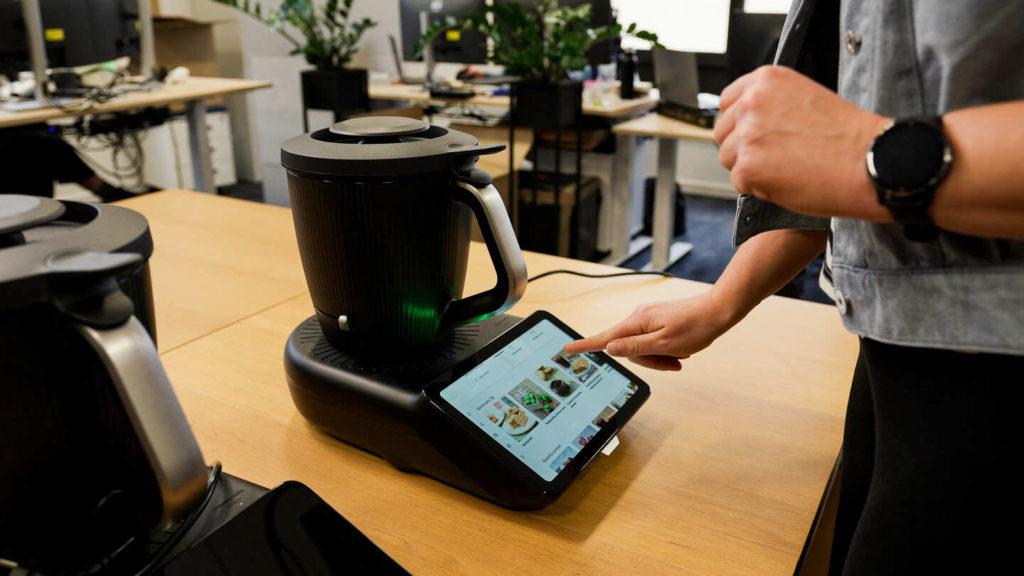
We deliver solutions for consumer electronics and home appliances, ensuring full alignment with regulatory standards such as ISO 13485. Our teams work across safety-critical systems and provide robust cybersecurity and data protection measures to keep products secure and compliant.
Mobility, robotics and industrial automation
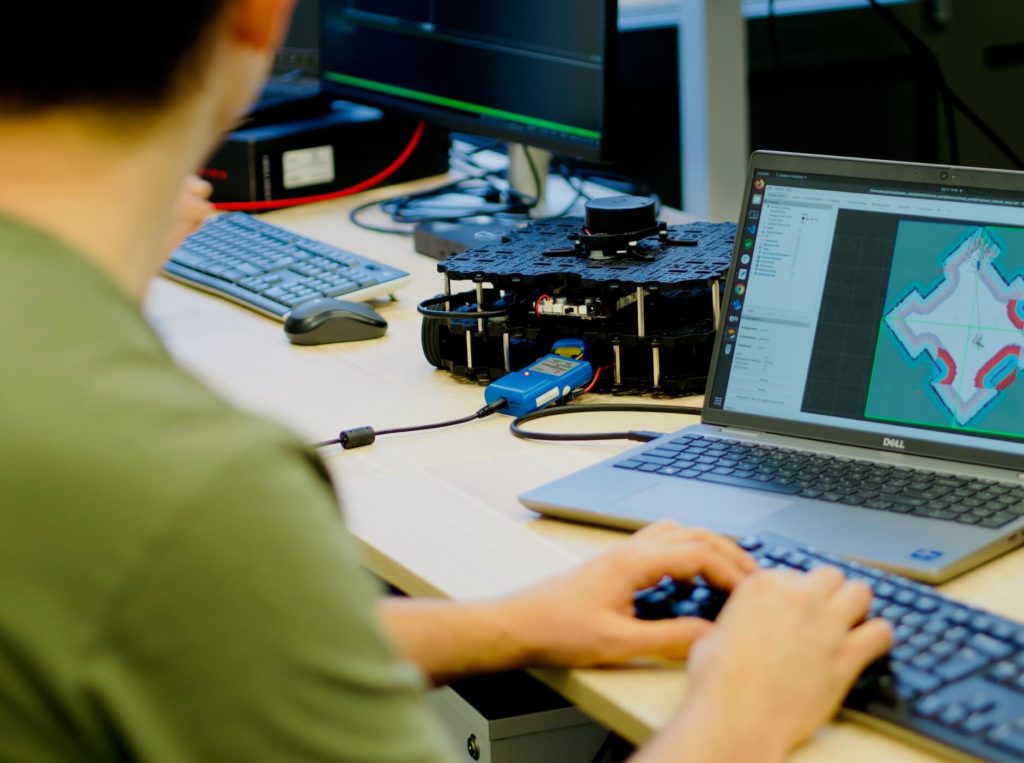
We support mobility, robotics and industrial automation projects, ensuring adherence to regulatory requirements including ISO 13485. Our expertise spans safety-critical system development as well as cybersecurity and data protection, helping you build secure, compliant and reliable products.
arrow_circle_right our know-how
Our testing methodologies and techniques
You gain a shorter time-to-market through our parallel testing infrastructure, which can reduce cycle times by as much as 30% while keeping coverage consistent across complex systems. With advanced automation supported by human expertise, you benefit from both speed and the insight needed to capture edge cases that others often overlook.
Software-in-the-loop
Validate algorithms and control logic in a virtual setting before you involve hardware. It enables fast iteration with full insight into system behaviour.
Hardware-in-the-loop
Link real ECUs and control modules to a simulated vehicle environment. Check real-time performance, sensor inputs and actuator outputs with confidence.
Distributed bench farm testing
Run tests in parallel across varied hardware setups. It shortens test cycles while keeping each environment isolated and predictable.
Remote testing and OTA emulation
Review over-the-air update processes, wireless communication and vehicle-cloud interactions in a controlled lab environment.
Field testing and drive scenarios
Validate performance in real driving conditions. Capture data from edge cases, environmental changes and user behaviour for a complete understanding.
Security and compliance testing
Carry out penetration tests, vulnerability checks, secure boot verification and compliance assessments aligned with automotive standards.
Core services
What we test
- Infotainment & cluster systems
- ADAS systems & sensor fusion
- Audio systems
- Connected services & telematics
- OTA
- Safety
- Connectivity
- Cybersecurity
- Vehicle network
- Companion app
Testing techniques
- Software in the Loop (SiL)
- Hardware in the Loop (HiL)
- Network & bus simulation
- Distributed bench farm testing
- Remote testing / OTA emulation
- Field testing & drive scenarios
- Security & compliance testing
Testing levels
- Functional testing
- Unit testing
- Integration testing
- System testing
- Acceptance testing
- Non-functional testing
- Security testing
- Performance
- Usability
- Compatibility
arrow_circle_right service models
Cooperation model that fits your organisation
Whether you’re looking for full operational outsourcing, targeted capability building, project delivery or flexible resource support, our services adapt to your priorities and budget.
Managed test centre
Best for:
- Full offload and multi-domain programs
Governance:
- KPIs, dashboards, quarterly reviews
Commercial:
- Yearly budget with SLA

Build–operate–transfer
Best for:
- Internalisation plan in 12–24 months
Commercial:
- Op-cost + service fee

Test campaign service
Best for:
- Specific projects or surges
Commercial:
- Fixed price

Test team extension
Best for:
- Embedded staff inside client teams
Commercial:
- T&M with volume discounts

Test centre consulting
Best for:
- Optimisation and tooling strategy
Commercial:
- T&M

arrow_circle_right timeline
From concept to full-scale operations
Most clients have their first domain running within four to six weeks rather than months. Our structured transition framework removes uncertainty by setting clear objectives, success measures and risk controls from the start, giving you full visibility along the way.
By launching a single domain first, you can validate the approach, refine processes and collect feedback before expanding across your wider testing portfolio, which helps keep implementation risks low.
Week 1: Transition scoping
- Define the scope and objectives of test centre transition
- Identify current test domains and team structures
- Clarify KPI goals and expectations for the new test centre
- Establish risk handling and communication frameworks
Week 2-3: Domain alignment
- Meet with domain leads to review functions, tools, and processes
- Align on domain-specific goals and success metrics
- Identify infrastructure and process requirements
- Validate testing standards and tooling decisions
Week 3-4: Migration planning
- Define rollout sequence per test domain
- Assign dedicated teams and establish ramp-up plans
- Set governance structures, communication protocols, and risk escalation
- Prepare training and knowledge transfer materials
Week 4-6: First domain launch
- Launch the first domain test team in the Test Centre
- Set up foundation infrastructure and baseline processes
- Validate delivery model, quality metrics, and reporting accuracy
- Gather feedback for optimization
Scale and continuous improvement
- Iteratively transfer additional test teams and domains
- Scale automation capabilities and infrastructure
- Expand reporting and analytics maturity
- Drive continuous improvements and accelerate efficiency gains
arrow_circle_right Our team
Meet our experts

Passionate about daily human and machine communication, I take care of the development of the HMI area and empower Spyrosoft teams to stay at the forefront of this dynamic field. With a strong background in both technical and managerial positions, I know how to translate business needs into an appealing and functional product that elevates the experience of an end customer.

I’m a firm believer in the cultural ramifications of user-focused design in technology.
Throughout my career, I have led teams in developing modern products on a multitude of software and hardware platforms. The knowledge of HMI architectures and C++/C#/Java and Python languages, has allowed me to work with OEMs and TIER1s on the next-gen production HMI platforms.
With my motivation of building tomorrow’s digital society, I’m is mainly responsible for shaping the technology definition and vision of HMI Services at Spyrosoft.

I use the experience I have gained in twenty years of work to design interfaces for HMI. I highly value simple solutions to complex problems.
In my work, the most important thing is to diagnose and understand the problem, listen to the stakeholders and propose a solution that meets the established criteria.
I especially appreciate the substantive support of programmers, thanks to which our projects move easily to the implementation stage, which allows us to quickly test our hypotheses.
arrow_circle_right Our certificates








arrow_circle_right NEXT STEPS
Three steps to testing excellence
Strategy session — 60 minutes
A focused conversation about your testing challenges, current setup and strategic goals. Together, we’ll uncover practical quick wins and longer-term optimisation paths that match your HMI and automotive testing needs.
Custom proposal — 5 business days
A tailored test centre proposal that outlines the service model, team structure, technology stack, timeline and investment. Everything is shaped around your requirements and testing scope.
Proof of concept — 5 business days
A live demonstration using your scenarios and real test cases. It lets you verify quality, execution speed and workflow alignment before moving ahead.
arrow_circle_rightcontact us
Let’s talk about testing your HMIs
Connect with ASIL specialists, cybersecurity experts, automotive test architects, and field testing specialists dedicated to your success.
Przemyslaw Krzywania
HMI Director
arrow_circle_right Our articles
Pick your next read



FAQ
We cover infotainment, clusters, ADAS, connectivity, OTA update paths, functional safety and cybersecurity. You can engage us for a single domain or your entire HMI platform.
No. Our Test Centres provide hardware benches, distributed test farms, device labs, environments for remote execution and safety-certified processes. We integrate with your existing toolchain if needed.
No. Our Test Centres provide hardware benches, distributed test farms, device labs, environments for remote execution and safety-certified processes. We integrate with your existing toolchain if needed.
We run your real scenarios end-to-end: configuration, execution, reporting and baseline metrics. The goal is to confirm quality, speed and alignment with your workflow before any long-term commitment.
Yes. We combine human-guided evaluation with AI-orchestrated automation, Hardware-in-the-Loop, Software-in-the-Loop, bench testing and field validation.
Yes. We combine human-guided evaluation with AI-orchestrated automation, Hardware-in-the-Loop, Software-in-the-Loop, bench testing and field validation.
You can choose from managed Test Centre, Build–Operate–Transfer, test campaigns, team extensions or consulting. Each model fits a different maturity level and workload pattern.
AI accelerates test scheduling, scenario generation and result analysis. It shortens cycles without reducing coverage, especially across complex HMI and ADAS interaction paths.